
Dating After Divorce: What Nobody Tells You
Nobody hands you instructions for this part. You spent years building a life with one person, and now you're expected to return to a process that changed completely while you were gone: apps, profiles, swiping, and messaging strangers who might vanish mid-conversation.
If that sounds exhausting, it's because it is. Dating after divorce asks for energy at the exact moment you have the least of it. This guide covers when to start, how to start without burning out, what's different the second time around, dating with kids, and which tools actually lighten the load.
Short version: there is no correct timeline, a lot of people in your position do find someone again, and the hardest part is usually the process, not you. If you're in Los Angeles and want to skip profiles and swiping entirely, InTimid's beta is free. Get the app →
How Soon Is Too Soon to Start Dating After Divorce?
There is no rule that holds up. You'll find formulas online, like waiting a month for every year you were married. None of them is based on research, and none of them knows your situation.
What matters more than the calendar are a few honest markers:
- Your divorce is legally settled, or close enough that a new person won't be pulled into it.
- You can talk about your ex for a minute without it taking over the conversation.
- You're curious about someone new, rather than looking for proof that you're still wanted.
- If you have kids, their routine has settled into the new normal.
Some people reach those markers in three months. Some take three years. Both are normal. The one real risk of starting early is choosing someone as a reaction to your ex rather than as a person in their own right. If you notice yourself grading every date against your former spouse, that's useful information, not a failure.
And if a friend keeps telling you it's time: you don't owe anyone a timeline.
How to Start Dating After Divorce
The mechanics are the part that throws most people. If you last dated before apps, the whole system can feel like it was designed for someone else. A few things make the start easier.
Decide what you want now, not what you wanted then
You're not the person who dated the first time. You probably know your non-negotiables better, you know what a bad fit costs, and you may want something different now: a partner, a companion, something serious, or simply good company for a while. Write it down before you download anything. It keeps you from dating on autopilot.
Start with one channel, not five
Signing up for every app at once is the fastest route to burnout. Pick one way to meet people, whether that's one app, a friend's introduction, a class, or a matchmaker, and give it a few weeks before you add another.
Leave the divorce out of the profile
It's part of your story, and it will come up. But a profile or first message that leads with the divorce tends to turn into a conversation about the divorce. Lead with what your life looks like now.
Set a pace you can keep
One or two dates a week is plenty. Dating after divorce often runs alongside work, custody schedules, and a household you're now running alone. A slower pace you can sustain beats a burst you can't.
Expect the first few dates to feel strange
That's not a sign you're doing it wrong. It's the adjustment. It usually gets easier once the novelty wears off and it starts to feel like meeting people again rather than an audition.
What's Different About Dating After Divorce in Your 40s and 50s?
More than you'd think, and a lot of it works in your favor.
You're far from alone. In Pew Research Center's analysis of census data, 40% of new marriages in 2013 included at least one partner who had been married before, and almost 42 million Americans had been married more than once. The people you'll meet have histories too, and many of them understand yours without needing it explained.
People are also clearer. By this stage most people know what they want and what they won't put up with, which takes a lot of the guesswork out of early dates.
The harder part is the tools. Pew found that online daters overall split almost evenly, 53% positive against 46% negative. Among those 50 and older, women were the most likely to call it negative: 57%, against 38% of men the same age. Most apps were built around a younger user base, and some charge older users more for the same subscription, as we found in our honest Hinge review.
Time is the other real difference. Kids, careers, aging parents: your schedule is the scarcest thing you have, which is why the effort a dating method demands matters more now than it did at 25.
Dating After Divorce With Kids
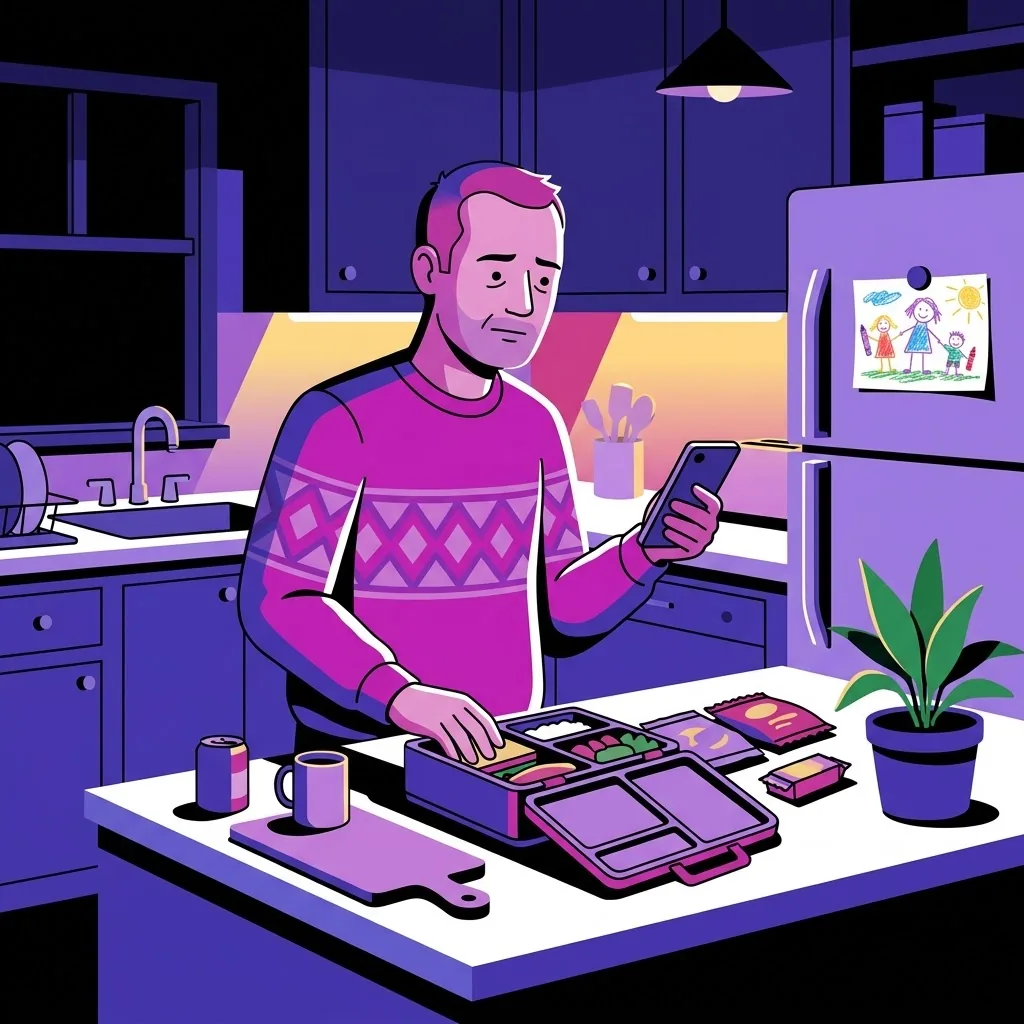
Having kids changes the logistics more than the rules. A few principles hold up well:
- Keep dating separate from family life at first. Your kids don't need to meet someone you've been on three dates with.
- Introduce a partner only once the relationship is serious and stable, and tell your kids about them before they meet, not after.
- Mention that you have kids early, on the first date or before it. Anyone who's put off by that is saving you time.
- Plan around your custody schedule instead of against it. Plenty of divorced parents date on their off weeks, and people in the same situation understand.
Which Dating Apps Work Best After Divorce?
Honestly, it depends on what drains you most.
Hinge has the most relationship-oriented crowd of the mainstream apps, and its prompts make a profile easier to write than a blank bio. It skews younger. Our Hinge review covers the tradeoffs.
Coffee Meets Bagel limits you to a small daily batch, which suits anyone who finds endless swiping draining, but its pool is thin outside big cities. See our Coffee Meets Bagel review.
Questionnaire-based sites ask more about you up front, then usually send you into the same browse-and-message routine as everyone else.
Matchmakers hand the searching to a person, at a price most people can't justify. We broke down what a matchmaking service does and what it costs.
If you'd describe yourself as an introvert, our guide to the best dating apps for introverts goes deeper on which ones ask the least of you.
What all the apps share is the work they hand you: build a profile that sells you, sort through strangers, start conversations, keep several going, and absorb it when people disappear. That's a lot to ask of someone rebuilding a life. It's also why so many people don't hate dating, they hate dating apps.
A Different Way to Start Again
That work is what we built InTimid to remove. There's no profile to write and no swiping. You talk with kAI, our AI matchmaker, over a few conversations on your own schedule, and he builds a picture of who you are and what you're looking for. You're introduced to someone only when you both say yes.
No swiping. No bio to write. No ghosting.
The free beta is live now in Los Angeles. Get the free beta →
Frequently Asked Questions
How long should you wait to date after divorce?
There's no rule backed by research. A better test than the calendar: your divorce is settled, you can talk about your ex without it taking over, and you're curious about someone new rather than looking for reassurance. For some people that takes months, for others years.
Why does dating after divorce feel so hard?
Because you're relearning a process that changed while you were married, often while running a household alone and recovering from a major loss. The difficulty usually comes from the process and the energy it takes, not from anything wrong with you.
When should you introduce a new partner to your kids?
Once the relationship is serious and stable, not in the first weeks. Tell your kids about the person before they meet, keep the first meetings short and low-key, and let the relationship with them build at their pace.
What is the best dating app after divorce?
It depends on what tires you out. Hinge suits people who want depth and don't mind writing prompts. Coffee Meets Bagel suits people who want fewer matches and live in a big city. If you'd rather skip profiles and swiping entirely, InTimid's AI matchmaker, kAI, learns about you through conversation. The free beta is live in Los Angeles.
Do people find love again after divorce?
Many do. In Pew Research Center's analysis of 2013 census data, 40% of new marriages included at least one partner who had been married before.
InTimid is AI matchmaking for introverts and people re-entering the dating world after divorce, loss, or a long relationship. Free beta live now in Los Angeles. Get the free beta →